Formative and sanitary pruning of trees and shrubs in Tallinn and Harjumaa
Pruning done at the right time and by the rules keeps plants healthy and beautiful.
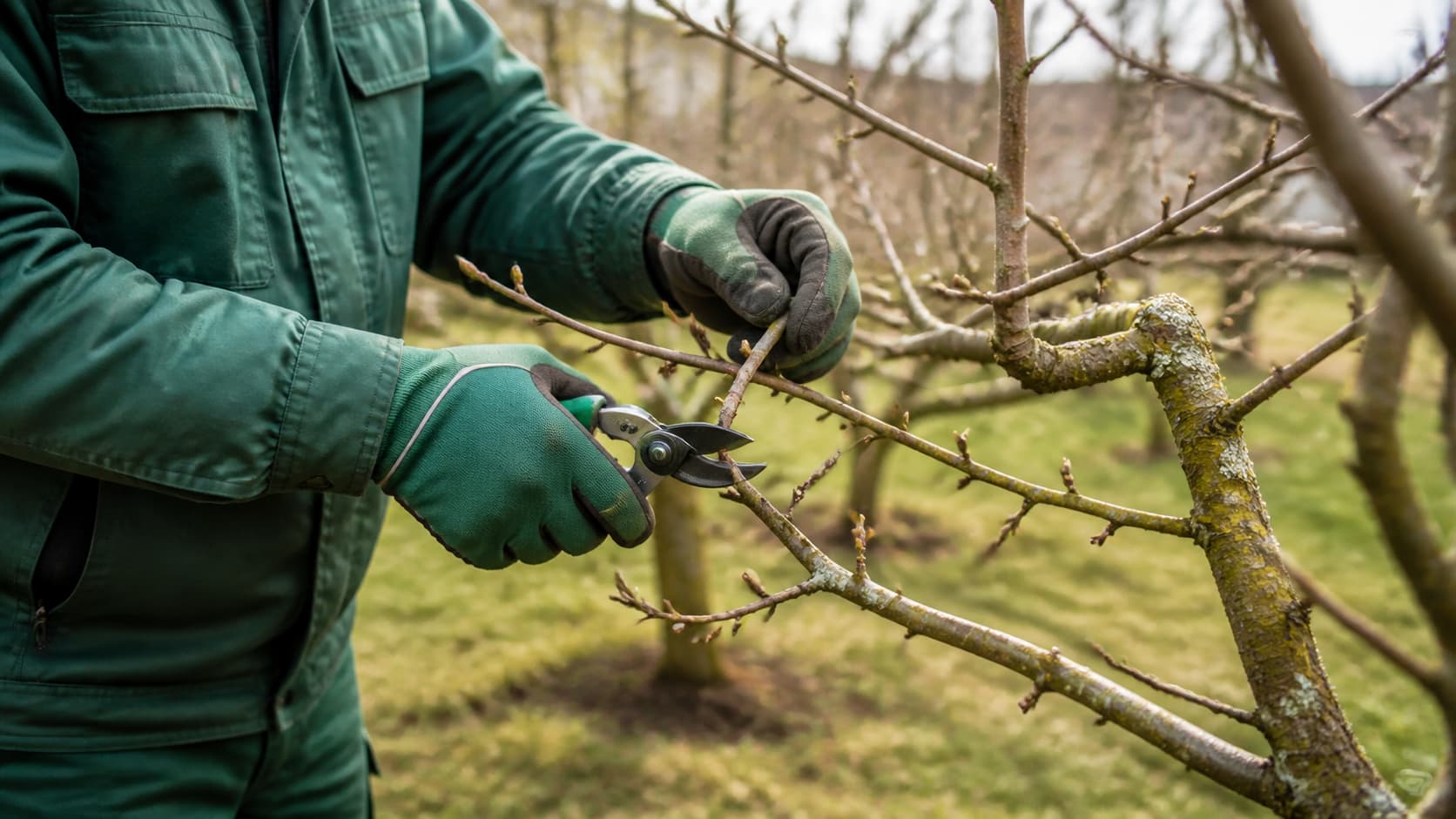
An unpruned ornamental tree or shrub soon outgrows its space: branches cross and rub bark off each other, the centre of the crown fills with deadwood, and flowers retreat to the top tips. Cutting everything into a random ball at the wrong time of year is no better, as it slices off next spring's flower buds and triggers weak vertical shoots. We carry out sanitary, structural and rejuvenating pruning of ornamental trees and shrubs across Tallinn and Harju County.
Sanitary, structural and rejuvenating pruning
We match the cut to the species, age and condition of each plant:
- Sanitary pruning: removing dead, winter-damaged, diseased and broken branches so fungal rot does not spread into the trunk.
- Structural (formative) pruning: cutting out inward-growing shoots, rubbing and crossing branches, weak narrow V-forks and low limbs hanging over paths, roofs or fences. Every cut is made cleanly just outside the branch collar (oksakrae) without leaving rotting stubs or tearing trunk bark.
- Rejuvenating pruning of old shrubs: restoring overgrown dogwoods, spiraeas, lilacs, mock oranges and potentillas that have gone bare at the base. Fast-regenerating shrubs like red-barked dogwood (*Cornus alba*) can be coppiced hard in early spring for bright new stems, while older lilacs, viburnums and mock oranges are renewed over 2 to 3 years by cutting out one-third of the oldest thick stems at ground level each spring.
Spring vs late summer timing
Timing decides whether a shrub flowers and how fast tree wounds heal:
- Early spring dormant pruning (March to April, before budbreak): best for shrubs that bloom on current-season wood, such as panicle hydrangea (*Hydrangea paniculata*), smooth hydrangea, summer spiraeas, potentilla and dogwood, plus most young deciduous trees.
- Right after flowering (June to early July): spring bloomers such as lilac, forsythia, early white spiraea, weigela and mock orange set buds on last summer's stems; pruning right after petals fall preserves next spring's flowers.
- Late summer pruning (July to August): "bleeder" trees like birch (*Betula*) and maple (*Acer*) bleed sap heavily if cut in early spring, so we prune them in mid-to-late summer when full leaves seal wounds fast.
Between 15 April and 15 July we check crowns for bird nests under the Nature Conservation Act before cutting.
Branch haulage and pruning price
After pruning, we gather all brushwood, rake beds and lawns clean, and haul the branches to a licensed facility via our garden waste removal service. For orchard trees see fruit tree pruning, and for large removals see tree felling.
Pricing depends on plant count, height, crown density and branch haulage volume. We inspect your garden free of charge and agree a fixed quote before work starts (`price negotiable`). Send photos or plant details via our contact form.
Common questions
What happens if lilac or forsythia is pruned in early spring?
The shrub stays alive and grows green leaves, but you lose that year's flowers because spring-blooming shrubs form their flower buds on the previous summer's wood and must be cut right after blooming.
Why are birch and maple trees pruned in late summer instead of March?
Birches and maples have strong spring sap pressure and bleed heavily from March cuts, whereas in July and August the tree is in full leaf and calluses pruning wounds quickly without bleeding.
Can an old, leggy shrub be rejuvenated instead of dug out?
Yes, removing one-third of the oldest woody stems down to the base each spring over two or three seasons lets sunlight reach the crown base and stimulates fresh young shoots.
Do you clean up and haul away all the cut branches?
Yes, we collect all pruned branches, rake the garden clean and haul the brushwood away in our trailer as part of the agreed job.
See our work
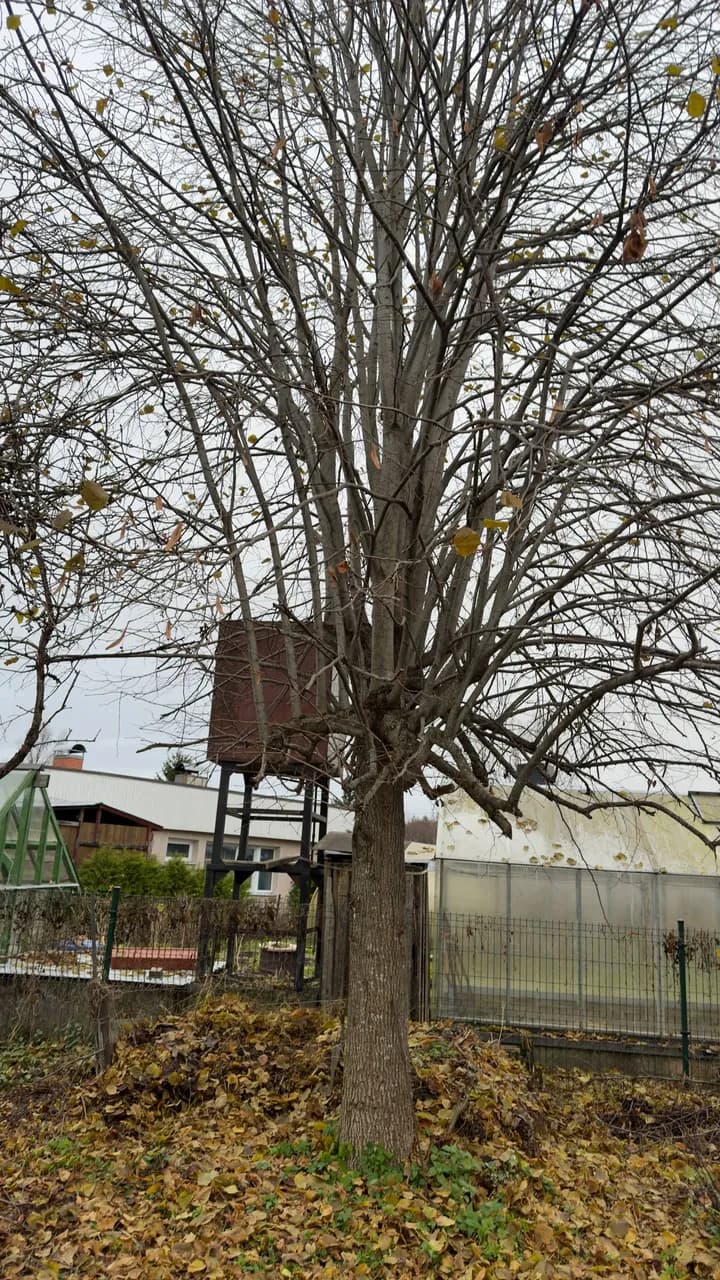
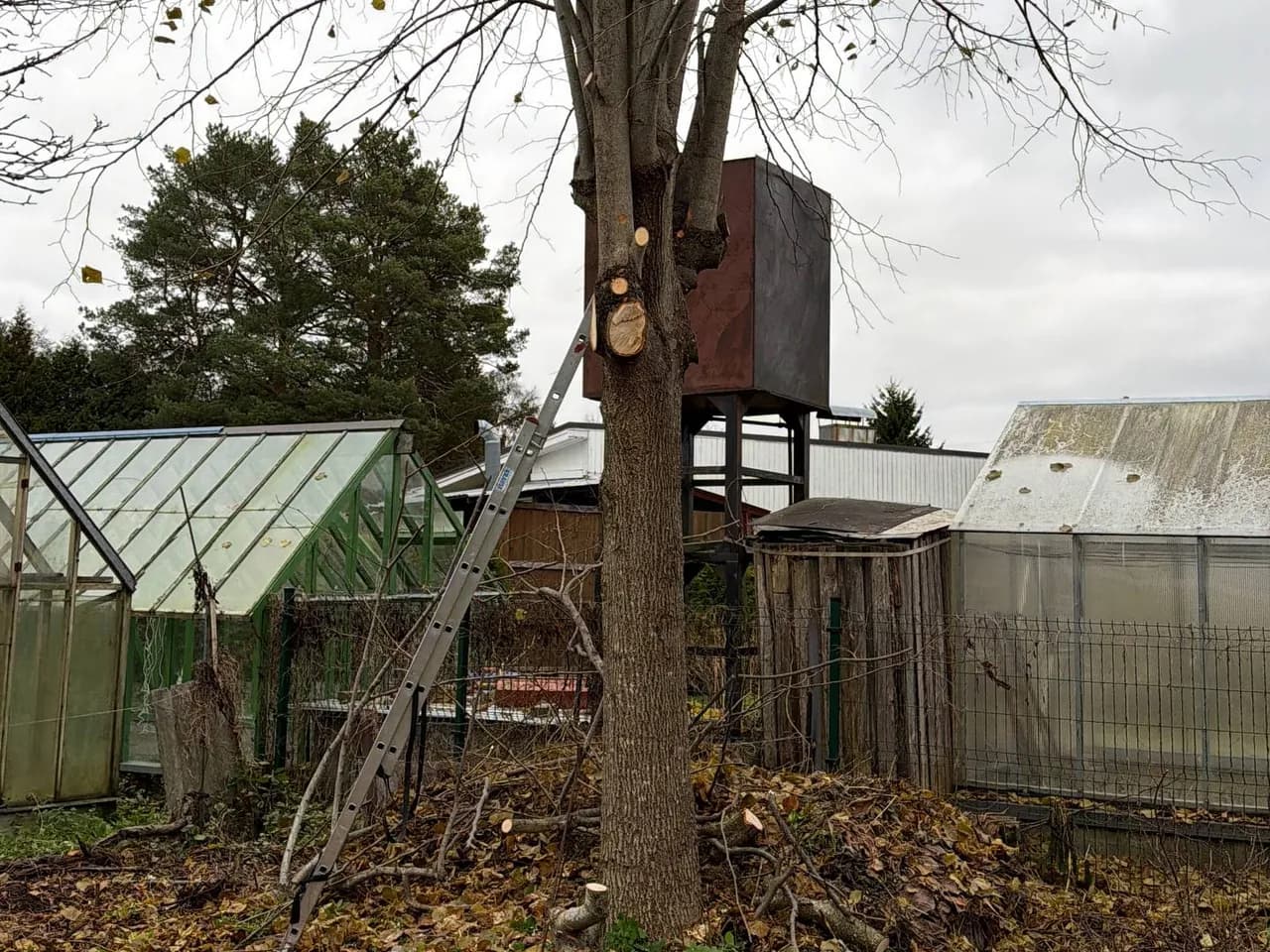
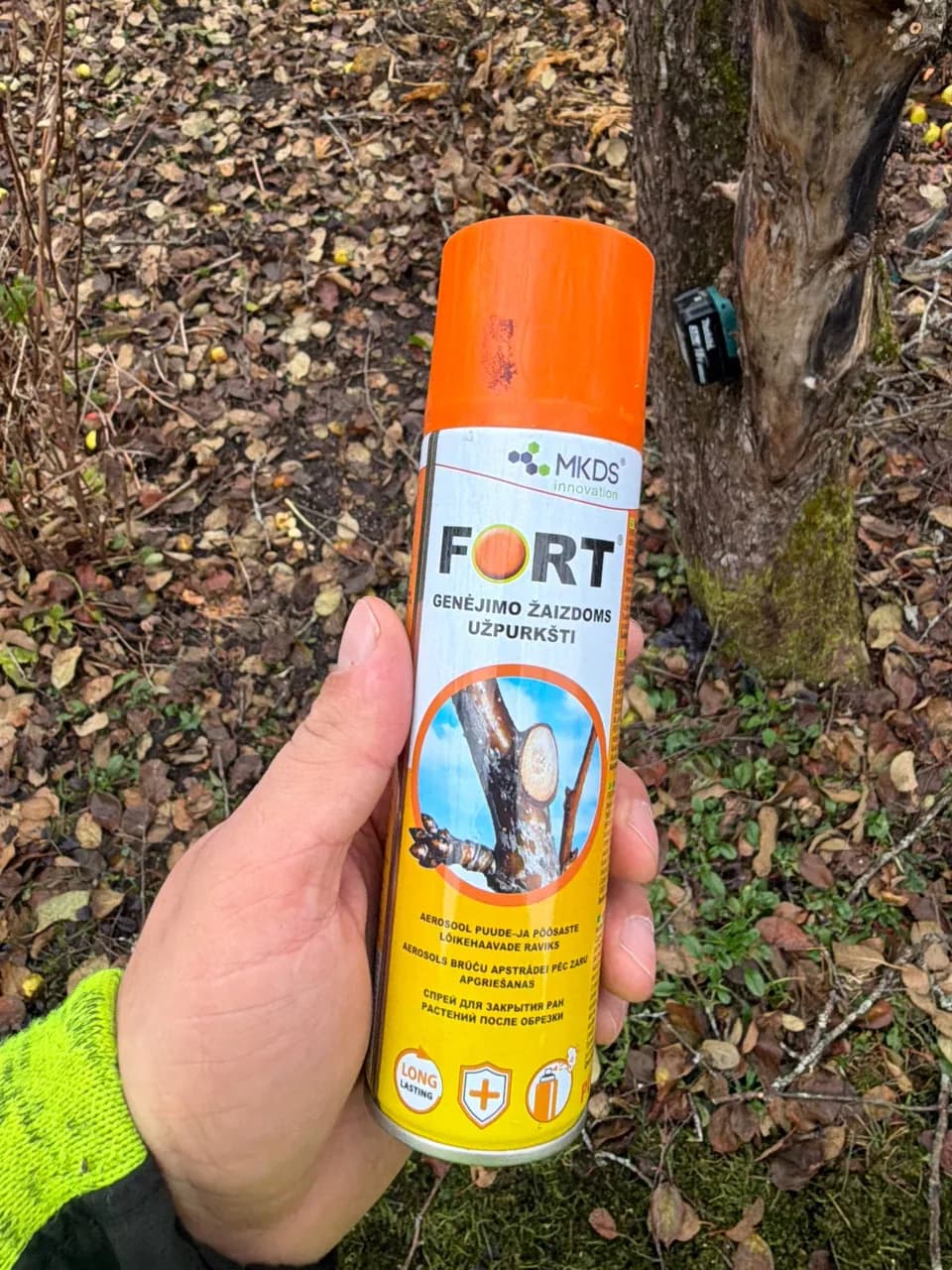
Photos from our own jobs, taken during the work and after it.