
Flower bed and hedge mulching in Tallinn and Harjumaa
Mulching of beds and shrubberies: fewer weeds, more moisture, a tidy look for years.
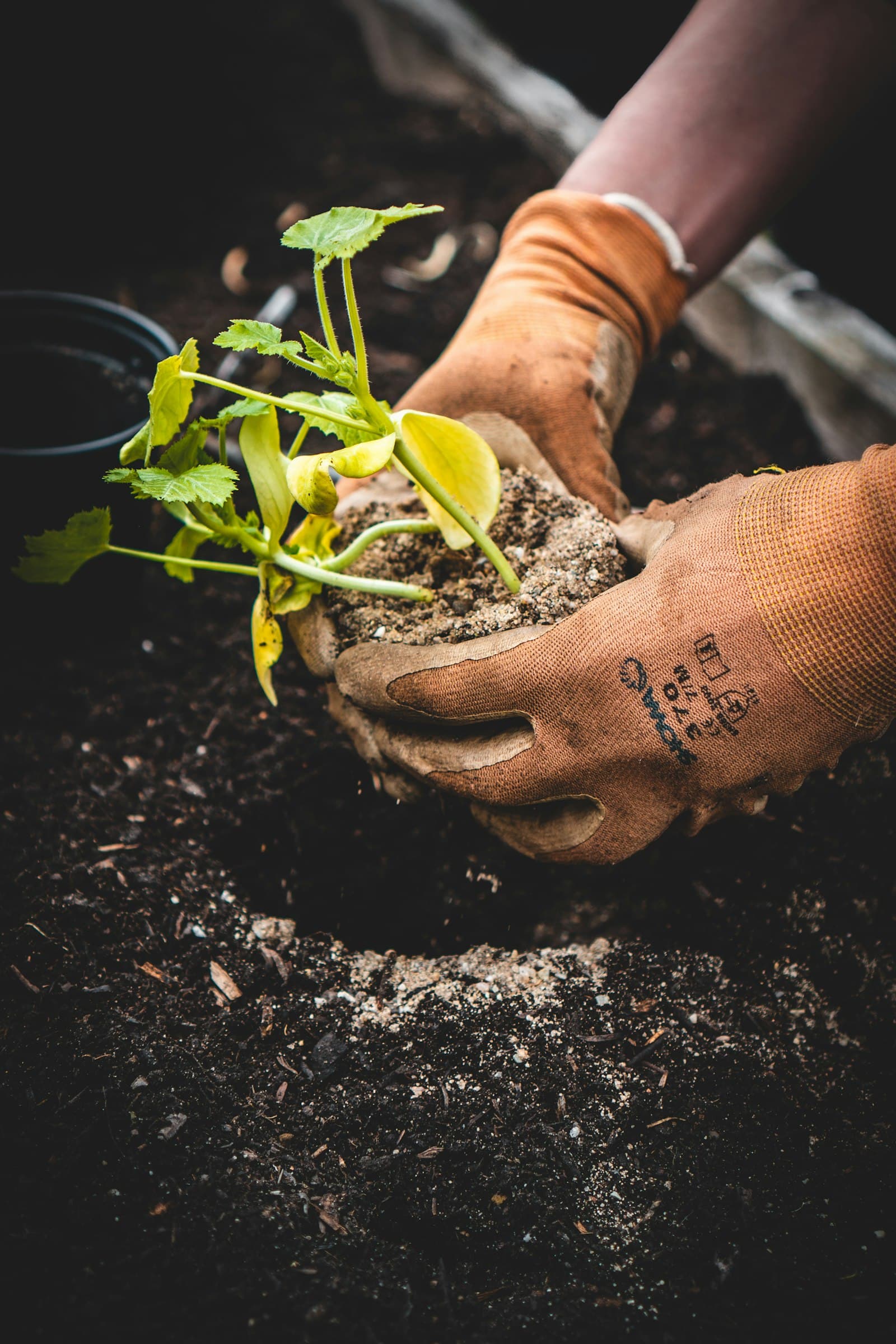
Bare soil in an Estonian garden never stays bare for long: within two weeks wind-blown dandelion, thistle and fat-hen seeds germinate, summer sun bakes the surface into a crust, and heavy rain splashes mud onto leaves and house plinths. A properly laid mulch layer locks moisture into the root zone, blocks light from weed seeds, buffers winter freeze-thaw swings and gives borders a clean finish. We mulch perennial beds, tree rings and thuja hedges across Tallinn and Harjumaa, including bed preparation and bulk material delivery.
Choosing the right mulch material and fraction size
The right mulch depends on what grows in the bed and how exposed the plot is to wind:
- Graded pine bark mulch (15–50 mm fraction): the longest-lasting choice under thuja hedges, conifers, rhododendrons, hydrangeas and shrub borders. Chunky pine bark stays put in coastal winds along Pirita and Viimsi, lets rainwater percolate freely and breaks down slowly over 3 to 4 years.
- Fine composted pine bark (0–15 mm fraction): dark, finely screened bark humus ideal for herbaceous perennial beds, roses and spring bulbs. As it decomposes it enriches soil structure without blocking emerging shoots of tulips, peonies or hostas in spring.
- Deciduous wood chips: a lighter-toned cover for large shrub masses, orchard rows, berry bushes and woodland paths.
- Granite chippings and decorative gravel (8–16 mm or 16–32 mm): a permanent mineral mulch for rockeries, ornamental grasses, house perimeter strips and damp shaded corners where organic bark grows moss.
We deliver bulk bark mulch, big-bags and decorative stone straight to your site via our topsoil, stone and mulch delivery service.
Layer depth and two mistakes that ruin mulched beds
For organic bark mulch to stop annual weeds effectively, the settled layer must be 5 to 7 centimetres deep (roughly 70 to 80 litres per square metre). A thin two-centimetre dusting lets sunlight reach the soil, allowing weeds to sprout right through.
We strictly avoid two common landscaping mistakes: 1. Volcano mulching against tree stems: piling damp bark against the trunk of a thuja, apple tree or shrub traps moisture against the bark, inviting collar rot and fungal canker. We always leave a 5–10 cm clear ring around every stem. 2. Spreading mulch over active perennial weeds: bark prevents airborne seeds from germinating on top, but established couch grass, ground elder and dandelion roots push straight through from below. Before mulching, we hand-weed the bed or clear weeds under weed control and plant protection.
To stop bark spilling onto the lawn, we install crisp borders via garden edging installation and build new borders under flower bed creation.
Around young hedges and ornamental evergreens, a late-autumn bark layer also softens soil freeze-thaw cycles (see winter protection for thujas and conifers).
Mulching service pricing
Pricing is negotiable and depends on bed area, mulch type and fraction, prep work (weeding, stripping old membrane, laying geotextile) and barrow access. Send us your bed dimensions for a free estimate.
Common questions
How often does pine bark mulch need topping up?
The bottom layer of pine bark decomposes into humus at about 1 to 2 cm per year. Topping up with a thin 2–3 cm layer of fresh bark every 2 to 3 years keeps the 5–7 cm weed-suppressing depth intact.
Does pine bark mulch make the soil too acidic for roses and perennials?
Pine bark spread on top of the soil only slightly acidifies the top centimetre and suits almost all garden plants. Around lime-loving roses, clematis and lavender, we use fine 0–15 mm composted bark and add a light spring dressing of garden lime.
Should landscape fabric always go underneath bark mulch?
No. Breathable geotextile works well under thuja hedges, shrubs and gravel beds, but in perennial and bulb borders fabric prevents clumps from spreading and starves soil of humus. In flower beds we spread 5–7 cm of bark directly onto clean topsoil.
How much bark mulch is needed for a 10-metre thuja hedge?
With an 80 cm wide strip, a 10-metre hedge covers 8 m². At a 6–7 cm depth, that takes 500 to 550 litres of pine bark mulch (ten to eleven 50-litre sacks).
See our work
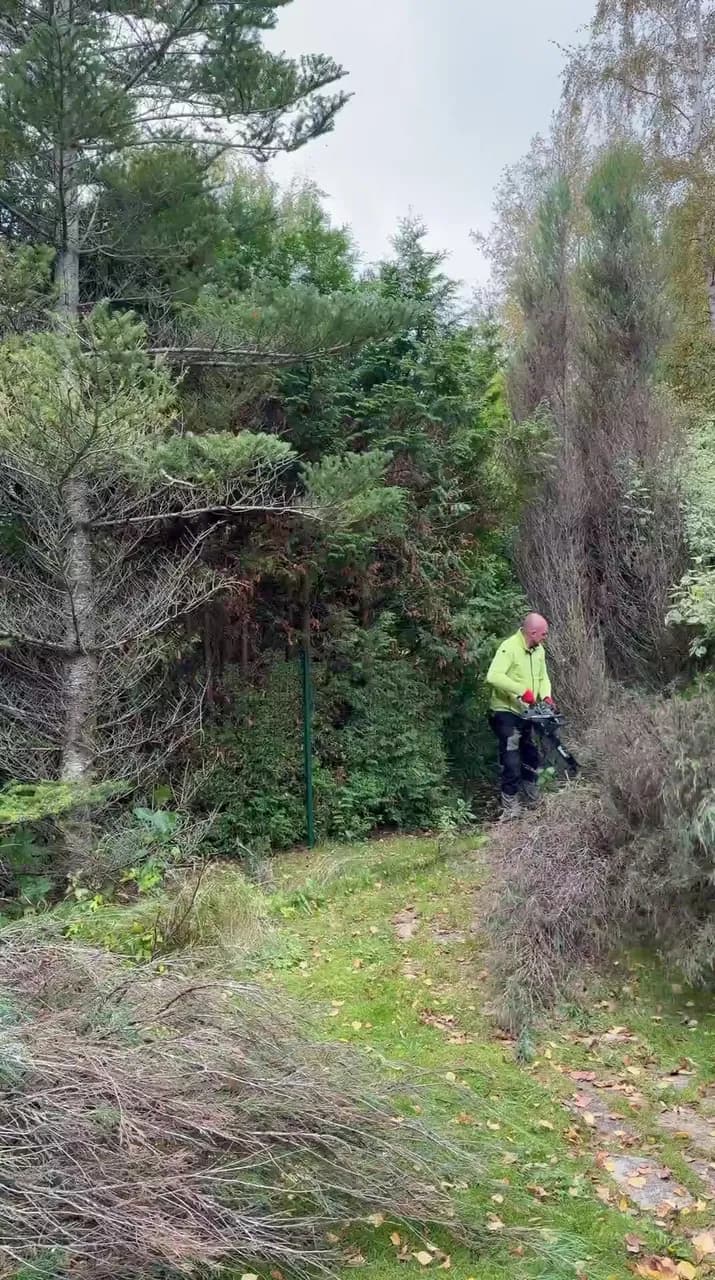
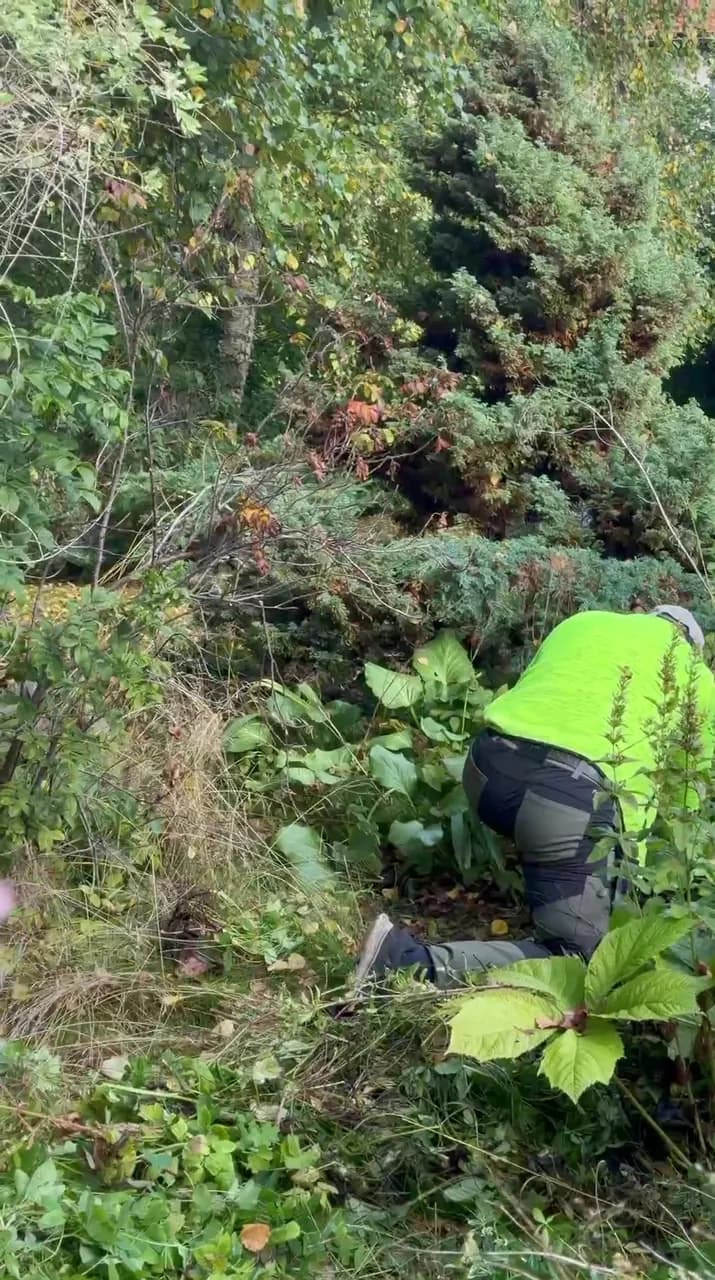
Photos from our own jobs, taken during the work and after it.