

Garden edging and lawn border installation in Tallinn and Harjumaa
Stone, wood and metal edging between lawn, beds and paths - straight and durable.
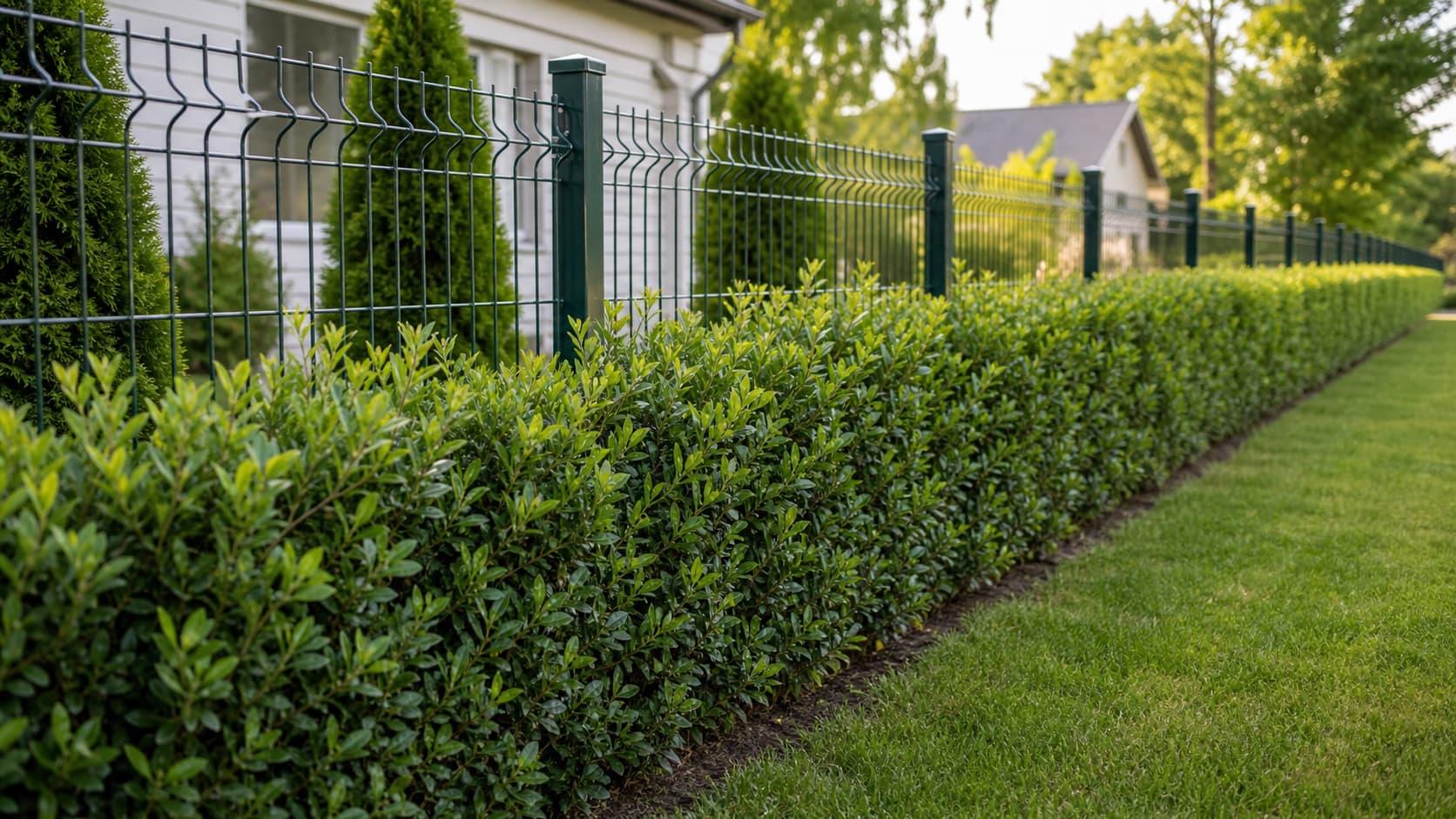
Without a rigid physical barrier, every flower bed and gravel path loses its crisp outline within two summers: grass stolons creep into bark mulch, gravel kicks out under lawnmower blades, and you end up recutting bed edges with a spade every few weeks. Properly installed garden edging locks lawn, mulch and aggregate into their own zones, gives the lawnmower wheel a firm track to follow and eliminates string-trimming along borders. We install metal, plastic, granite, concrete and timber garden edging across Tallinn and Harjumaa.
Choosing the right edging material for your garden
We match the edging profile to your garden's geometry (straight lines vs sweeping curves) and adjoining surfaces:
- Aluminium and galvanised steel edging: slim, tough metal strips that sit almost invisible from above and never crack in winter frost or under trimmer hits. They flex smoothly around tree rings and curved perennial beds while holding straight runs for decades.
- Corten weathering steel borders: develop a warm, protective rust-brown patina outdoors. Ideal for contemporary gardens, ornamental grass borders, conifer beds and raised planting terraces.
- Heavy-duty L-profile plastic edging (45–60 mm high): thick-walled, UV-stabilised recycled plastic anchored with 25 cm spikes. Unlike flimsy corrugated green plastic rolls from DIY stores (which heave out of the soil in winter and shatter under mower blades), rigid L-profile edging stays hidden at soil level.
- Granite sett and concrete mowing strips: a 10 × 10 cm row of split granite setts or concrete blocks bedded in dry-mix concrete flush with the lawn. Your walk-behind or robotic mower runs one wheel right along the stone, cutting the grass edge cleanly without a trimmer.
How we install edging so winter frost does not heave it up
The main reason DIY edging tilts after winter is shallow installation in loose topsoil. Our installation follows four steps: 1. String-line layout and trenching: straight runs are set with string lines and levels, while curves are shaped into smooth arcs free of kinks. 2. Compacted bedding and anchoring: stone and concrete mowing strips sit on a compacted crushed-stone and semi-dry concrete haunch; plastic and metal profiles are pinned into firm subsoil every 30 to 50 cm using steel or composite stakes. 3. Height setting for mower blades: the top edge is levelled 5 to 10 mm below mowing height so blades never strike metal or stone while grass rhizomes are blocked from crossing into the bed. 4. Backfilling and finishing: we pack screened topsoil against the lawn side and refill the bed side with bark mulch or decorative stone.
Edging installation pairs naturally with flower bed creation and mulching. Heavy street kerbs and driveway edgings are laid under paving stone installation, and level changes across the plot are handled through ground levelling and earthworks.
Garden edging installation pricing
Pricing is negotiable and depends on total linear metres, chosen material (plastic, aluminium, Corten steel or granite setts), curve complexity and soil stoniness. We measure on site and provide a free written quote.
Common questions
Can you install garden edging between an existing lawn and an already planted bed?
Yes. On established lawns we slice back the overgrown turf edge cleanly, set the new border profile and dress the seam with screened topsoil.
Which type of edging works best with a robotic lawnmower?
A 10 to 12 cm wide flush mowing strip of granite setts or concrete blocks laid level with the turf is ideal: the robot's outer wheel rides on the stone and cuts right to the edge.
Why do you advise against thin corrugated green plastic lawn edging?
Thin wavy plastic ribbon warps in summer sun, heaves out of the ground during winter freeze-thaw cycles and shatters when clipped by a mower blade. Rigid L-profile or metal edging lasts over ten years.
How deep does edging need to sit to stop grass roots creeping underneath?
Common lawn grasses spread in the top 5 to 8 cm of sod, so a 10 to 15 cm deep border stops grass from invading the bed.
See our work
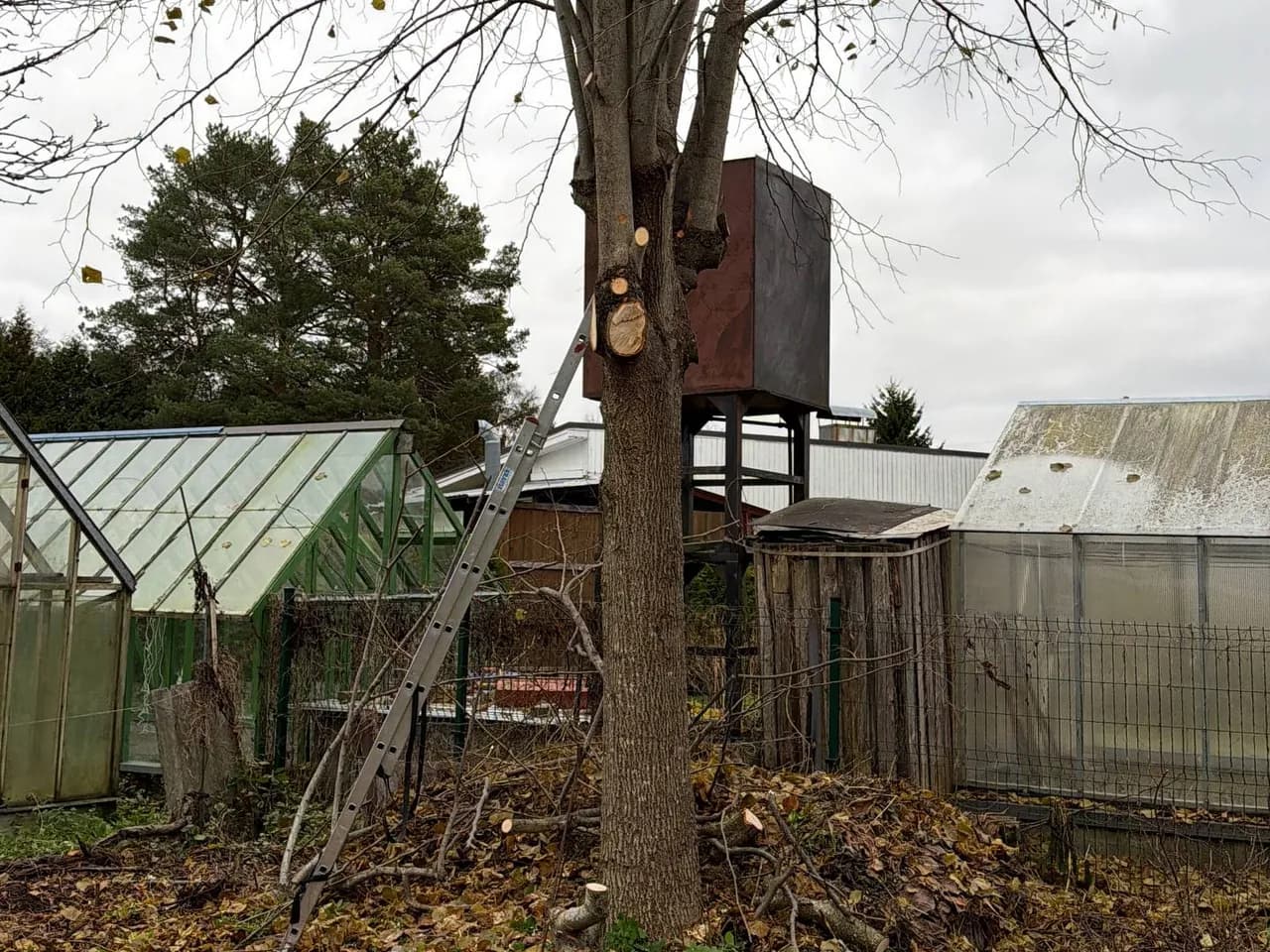
Photos from our own jobs, taken during the work and after it.

Also worth reading
BlogLiving hedge or fence: what to choose
A fence is ready at once, but a hedge only gets better every year. Comparing price, speed, privacy and care.
Read more